 Roofing Cost Calculator
Which Option Is Right for Your Home? (2026 Guide)
When your roof begins showing signs of wear or damage, one of the first questions you'll face is whether to repair the problem or invest in a complete roof replacement. While repairs are often less expensive upfront, they aren't always the best long-term solution. In some situations, replacing the entire roof can save money over time by preventing recurring issues and improving your home's protection.
This guide explains the differences between roof repair and roof replacement, the factors to consider before making a decision, and how to determine which option offers the best value for your home.
Understanding the Difference
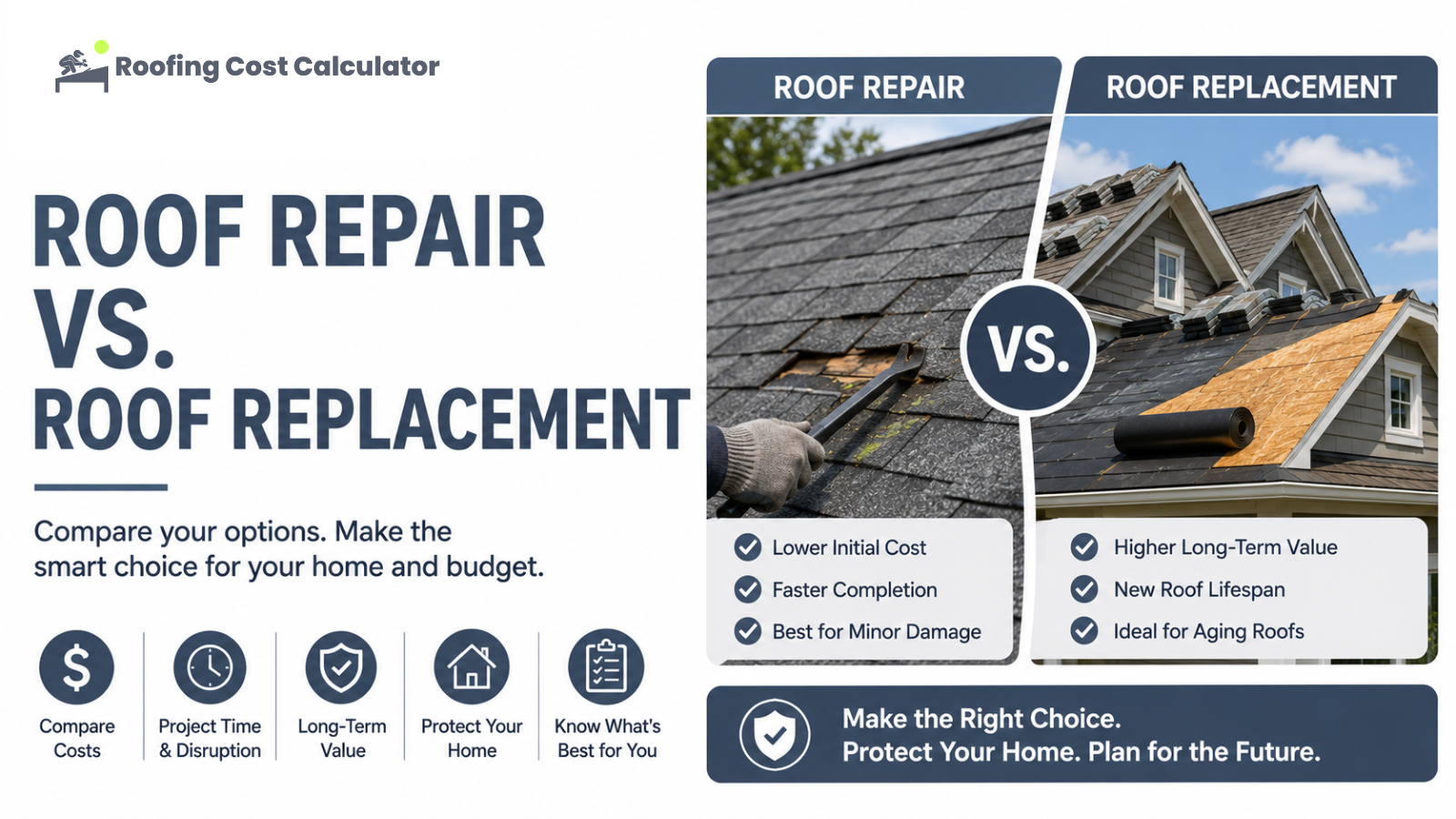
A roof repair focuses on fixing a specific problem while keeping the majority of the existing roof in place. Common repairs include replacing damaged shingles, repairing flashing, sealing leaks, or fixing localized storm damage.
A roof replacement involves removing most or all of the existing roofing material and installing a completely new roofing system. Depending on the condition of the roof deck, additional repairs may also be completed before the new roof is installed.
When a Roof Repair Makes Sense
Many roofing problems can be resolved without replacing the entire roof.
A repair may be the best choice if:
- The roof is relatively new.
- Damage is limited to a small area.
- The roof structure remains in good condition.
- There are only a few missing or damaged shingles.
- Flashing around chimneys or vents requires replacement.
- A single leak has been identified and repaired quickly.
When completed properly, repairs can extend the life of a roof while keeping costs manageable.
When Roof Replacement Is the Better Choice
Although repairs are often less expensive initially, they are not always the most cost-effective solution.
Replacement is usually recommended when:
- The roof has reached the end of its expected lifespan.
- Multiple leaks occur throughout the roof.
- Storm damage affects large sections.
- Structural damage is present.
- Large portions of roofing material are deteriorating.
- Previous repairs have become frequent.
Replacing the roof provides a fresh start and reduces the likelihood of repeated repair costs over the coming decades.
Comparing Repair and Replacement
| Feature | Roof Repair | Roof Replacement |
|---|---|---|
| Initial Cost | Lower | Higher |
| Project Duration | Usually 1 day | Several days |
| Expected Lifespan | Extends existing roof | Starts a new roof lifecycle |
| Best For | Localized damage | Aging or severely damaged roofs |
| Long-Term Value | Moderate | High |
Factors That Influence the Decision
Roof Age
One of the most important considerations is the age of your existing roof.
For example:
- A 7-year-old roof with a few damaged shingles usually justifies a repair.
- A 28-year-old asphalt roof with recurring leaks may be better replaced entirely.
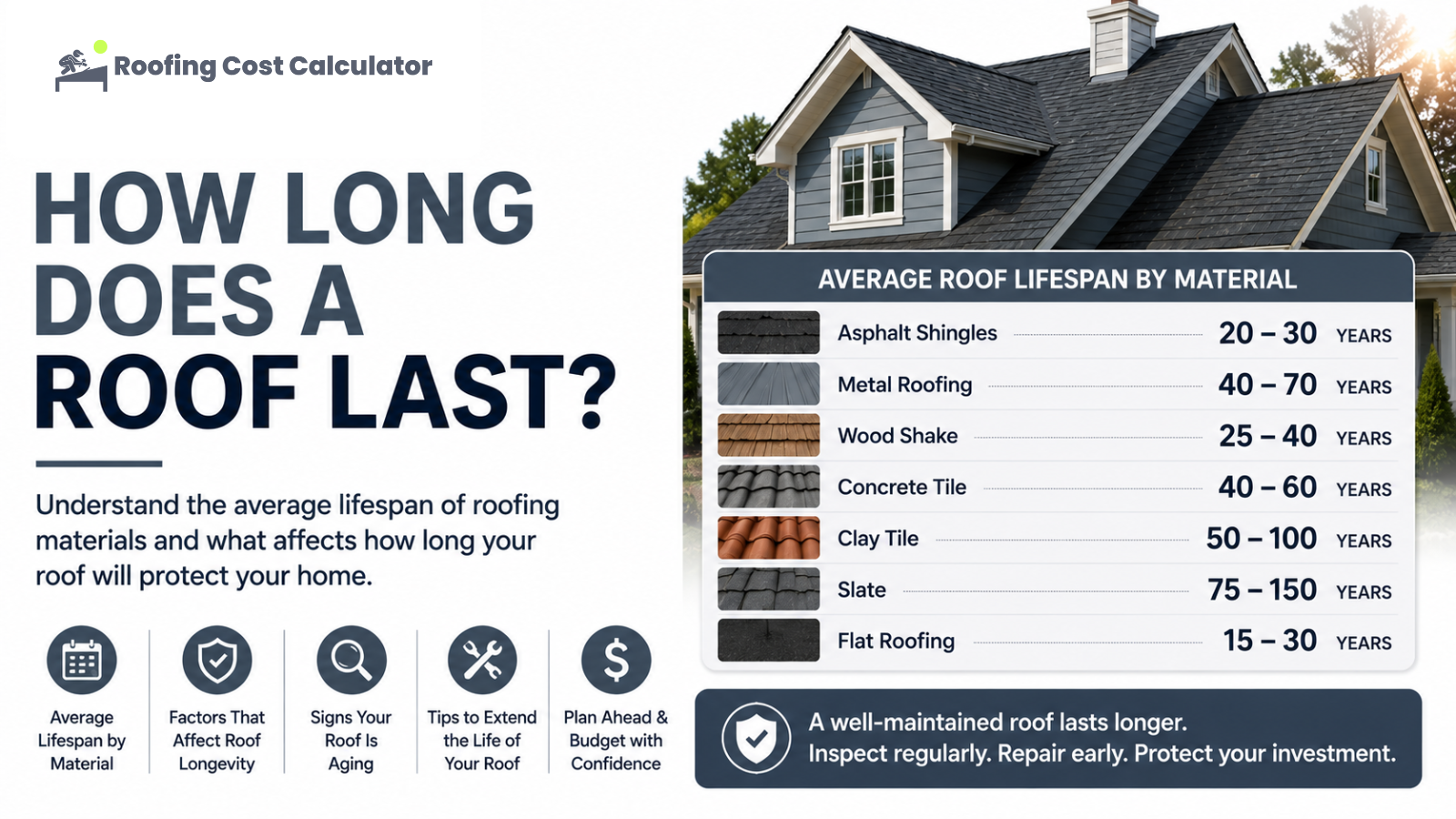
The closer a roof is to the end of its expected lifespan, the more attractive replacement becomes.
Extent of Damage
Small, isolated problems can often be repaired successfully.
However, extensive damage affecting multiple roof sections may indicate underlying deterioration that cannot be solved with simple repairs.
Cost of Repairs
Homeowners should consider both immediate and future expenses.
Several repairs over a short period can eventually exceed the cost of replacing the roof.
Instead of asking:
"How much does this repair cost?"
consider asking:
"How much will I spend over the next five years if I continue repairing this roof?"
Energy Efficiency
New roofing systems often include improved underlayment, ventilation, and modern materials that can improve energy efficiency.
Although energy savings vary, replacing an older roof may help reduce heating and cooling costs over time.
Home Value
If you plan to sell your home within the next few years, replacing an aging roof may improve buyer confidence.
A newer roof can reduce concerns about future maintenance and may make the property more attractive during the selling process.
Common Repair Scenarios
Roof repairs commonly address:
- Missing shingles
- Small leaks
- Damaged flashing
- Vent boot replacement
- Minor storm damage
- Nail pops
- Small sections of damaged decking
These repairs are often completed within a single day.
Common Replacement Scenarios
Roof replacement is commonly recommended after:
- Severe hail damage
- Widespread wind damage
- Multiple recurring leaks
- Extensive shingle deterioration
- Major structural repairs
- Roofs nearing the end of their expected lifespan
Replacing the entire roofing system provides consistent protection across the whole home.
Questions to Ask Before Deciding
Before committing to either option, ask your roofing contractor:
- How much useful life remains?
- Is the damage localized or widespread?
- Are there hidden structural issues?
- What warranty is available?
- Would additional repairs likely be needed soon?
- How do repair costs compare with replacement over the next several years?
Obtaining multiple written estimates can help homeowners make a more informed decision.
Tips for Homeowners
- Don't ignore small leaks.
- Schedule inspections after major storms.
- Maintain clean gutters.
- Replace damaged shingles promptly.
- Keep records of previous repairs.
- Consider the long-term cost rather than only the initial expense.
Frequently Asked Questions
Can a roof be repaired instead of replaced?
Yes. Many roofing issues can be repaired successfully, particularly when the damage is limited and the roof is otherwise in good condition.
How do I know if my roof is too old to repair?
A professional inspection can help determine the remaining life of your roof. If it is near the end of its expected lifespan, replacement may offer better long-term value.
Is replacing a roof worth the investment?
For many homeowners, a new roof improves weather protection, reduces future maintenance, and may enhance resale appeal.
Will homeowners insurance pay for roof repairs?
Insurance coverage depends on the cause of the damage and the terms of your policy. Damage caused by covered events such as certain storms may qualify, while normal aging and wear typically do not.
Can I delay replacing an old roof?
Delaying replacement may increase the risk of leaks, structural damage, and higher repair costs. If a roof is showing widespread deterioration, timely replacement is often the safer option.
Final Thoughts
Choosing between roof repair and roof replacement depends on the roof's age, overall condition, the extent of the damage, and your long-term plans for the property. While repairs are often appropriate for isolated issues, replacing an aging or extensively damaged roof can provide greater peace of mind and reduce future maintenance expenses.
If you're considering a roof replacement, use our Roofing Cost Calculator to estimate your project's cost and compare different roofing materials before requesting contractor quotes.