 Roofing Cost Calculator
What Every Homeowner Should Look For (2026 Guide)
Regular roof inspections are one of the easiest and most effective ways to protect your home from expensive repairs. A small problem, such as a cracked shingle or loose flashing, can quickly develop into a roof leak that damages insulation, ceilings, walls, and even the structural framing of your home.
Fortunately, you don't need to be a roofing expert to spot many common warning signs. A simple visual inspection performed a few times each year can help identify issues early and give you time to schedule repairs before more serious damage occurs.
This guide provides a practical roof inspection checklist, explains when to inspect your roof, and helps you understand when it's time to call a professional.
Why Roof Inspections Are Important
Your roof is exposed to the elements every day. Sunlight, rain, wind, hail, snow, and temperature changes gradually wear roofing materials over time.
Routine inspections can help homeowners:
- Detect problems before they become expensive.
- Extend the life of the roof.
- Prevent interior water damage.
- Maintain energy efficiency.
- Plan future maintenance and replacement.
Regular inspections are particularly valuable after severe weather or as the roof approaches the end of its expected lifespan.
How Often Should You Inspect Your Roof?
Most homeowners should inspect their roof:
- Every spring
- Every fall
- After severe storms
- After hurricanes or high winds
- Following heavy snowfall or hail
In addition to these routine checks, older roofs may benefit from occasional professional inspections.
Safety First
Before inspecting your roof, remember that safety should always come first.
Whenever possible:
- Inspect the roof from the ground using binoculars.
- Avoid walking on steep or wet roofs.
- Never inspect during storms.
- Use a sturdy ladder if necessary.
- Wear appropriate footwear.
If you are uncomfortable working at height, hire a qualified roofing professional.
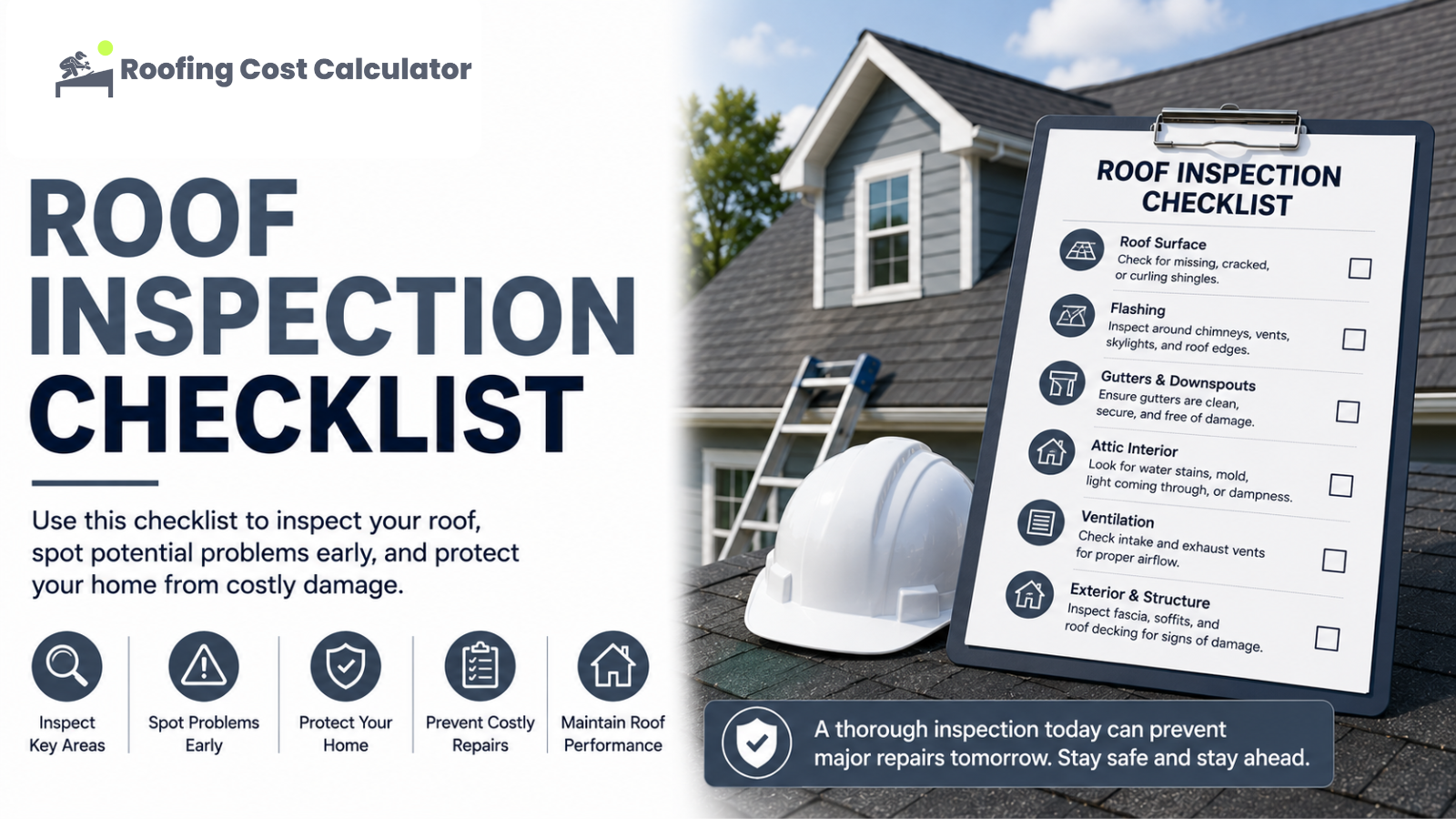
Exterior Roof Inspection Checklist
Begin by examining the roof from outside the home.
Look for:
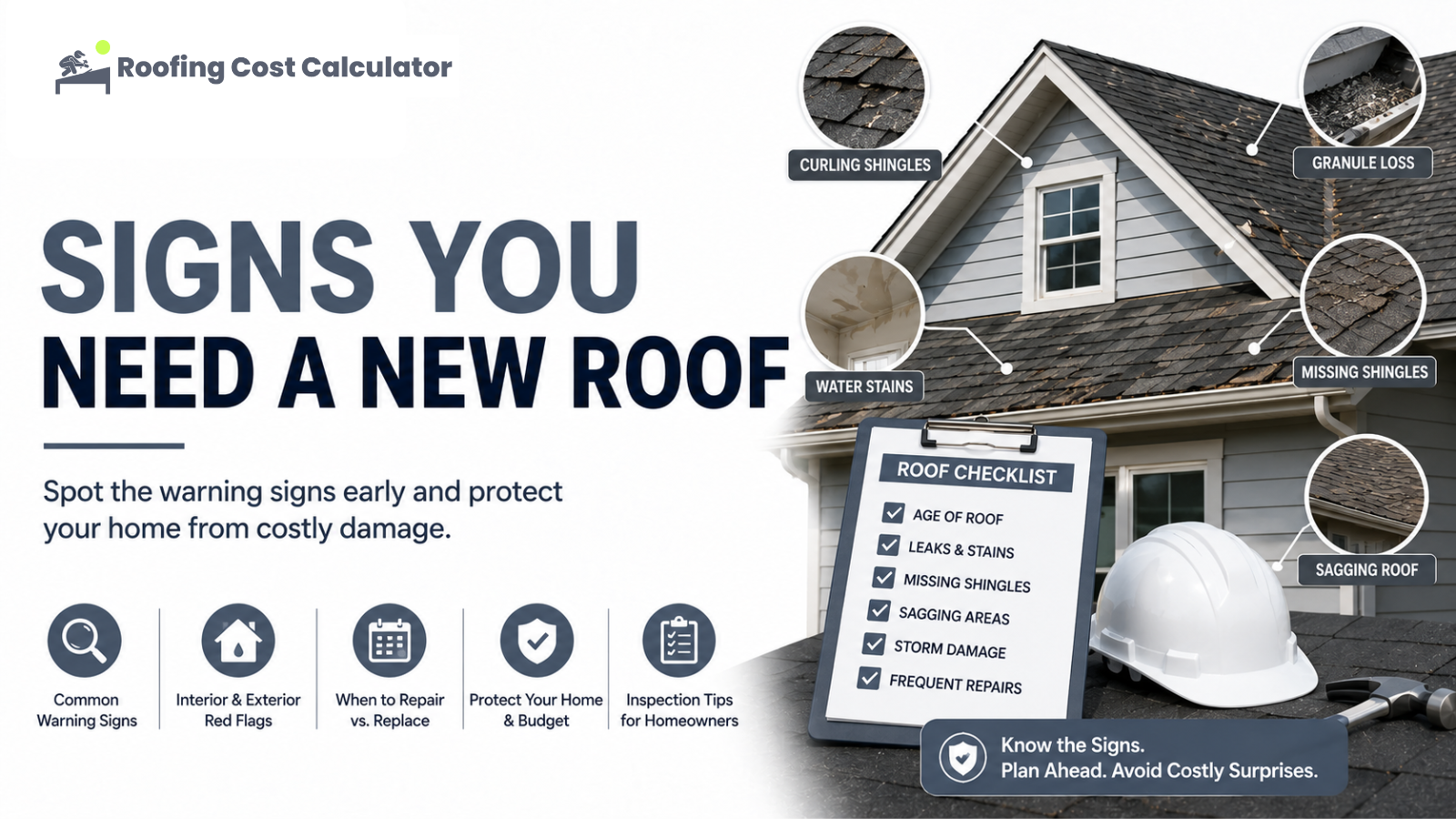
Missing Shingles
Missing shingles expose the roof to moisture and should be repaired promptly.
Cracked or Broken Shingles
Cracks may allow water to penetrate beneath the roofing material.
Curling Shingles
Edges that curl upward often indicate aging or prolonged heat exposure.
Loose Flashing
Inspect flashing around:
- Chimneys
- Skylights
- Roof vents
- Dormers
Damaged flashing is one of the most common causes of roof leaks.
Moss or Algae Growth
Small amounts are usually cosmetic, but heavy moss can trap moisture and accelerate deterioration.
Sagging Areas
A sagging roof may indicate structural damage or prolonged water intrusion.
This requires prompt professional evaluation.
Debris Accumulation
Leaves and branches can trap moisture and block drainage.
Keeping the roof clear helps prolong its lifespan.
Gutter Inspection
Your gutters can reveal valuable information about the condition of your roof.
Check for:
- Asphalt granules
- Loose roofing material
- Blockages
- Standing water
- Damaged gutter sections
Large amounts of granules often indicate aging asphalt shingles.
Attic Inspection Checklist
The attic provides another opportunity to detect roofing problems.
Look for:
- Water stains
- Damp insulation
- Mold growth
- Sunlight entering through the roof
- Wet rafters
- Musty odors
These signs may indicate leaks that are not yet visible inside the living areas.
Interior Inspection
Inside your home, inspect ceilings and walls for:
- Brown water stains
- Bubbling paint
- Peeling wallpaper
- Mold
- Damp drywall
Even small stains may indicate an active roof leak.
After Severe Weather
Inspect the roof after:
- Windstorms
- Hail
- Heavy rain
- Snowstorms
- Falling tree branches
Watch for:
- Missing shingles
- Broken tiles
- Bent flashing
- Damaged vents
- Impact marks
- Fallen debris
Prompt inspections may help prevent additional damage.
Common Problems Homeowners Can Spot
Many roofing issues are visible without climbing onto the roof.
Examples include:
- Missing shingles
- Clogged gutters
- Loose flashing
- Moss growth
- Water stains
- Damaged fascia
- Sagging sections
Recognizing these signs early often reduces repair costs.
When to Call a Professional
A professional roofing inspection is recommended if:
- Your roof is over 15–20 years old.
- You notice recurring leaks.
- Storm damage is suspected.
- The roof appears uneven.
- You plan to buy or sell a home.
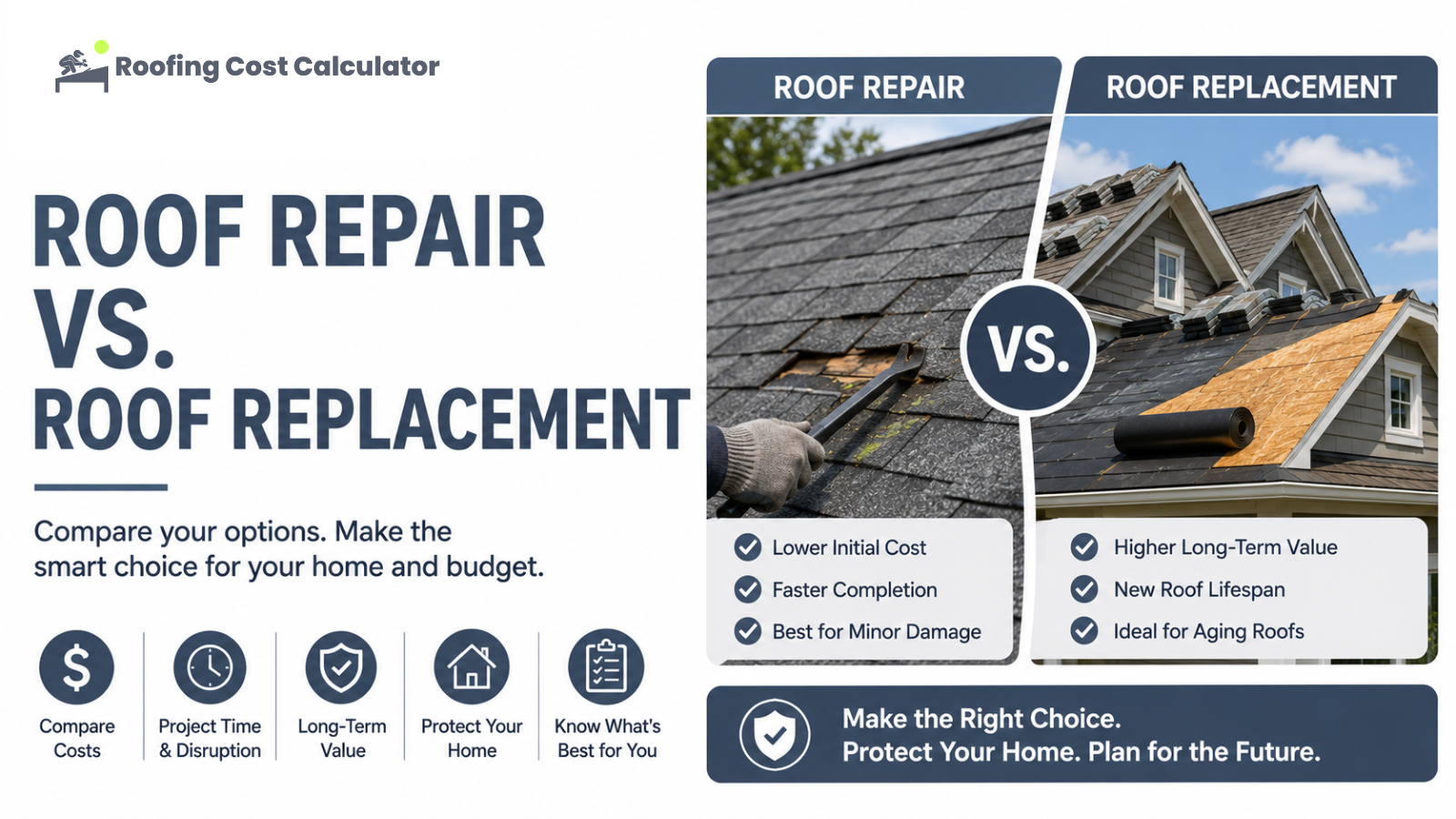
- You are considering a roof replacement.
Professional inspections may identify hidden issues that are not visible during a basic visual inspection.
Roof Maintenance Tips
Regular maintenance can help extend the life of your roof.
Consider the following:
- Clean gutters regularly.
- Remove branches and debris.
- Trim nearby trees.
- Replace damaged shingles promptly.
- Keep attic ventilation unobstructed.
- Schedule periodic professional inspections.
Simple maintenance often prevents expensive repairs later.
Frequently Asked Questions
Can I inspect my roof myself?
Many homeowners can safely perform a basic visual inspection from the ground or using binoculars. Walking on the roof is not recommended unless you have the proper equipment and experience.
How long does a roof inspection take?
A basic visual inspection may take 15 to 30 minutes, while a professional inspection can take longer depending on the size and complexity of the roof.
What is the most common cause of roof leaks?
Damaged flashing, missing shingles, and aging roofing materials are among the most common causes of residential roof leaks.
Should I inspect my roof after every storm?
It's a good idea to perform a visual inspection after severe weather, especially if your area experienced high winds, hail, or falling tree branches.
Does regular inspection extend roof life?
Regular inspections help identify problems early, allowing repairs to be completed before significant damage occurs. While inspections alone do not extend a roof's lifespan, timely maintenance can help maximize its service life.
Final Thoughts
A routine roof inspection is one of the simplest ways homeowners can protect their property and reduce long-term maintenance costs. By checking your roof regularly, keeping gutters clean, and addressing small issues promptly, you can often prevent more serious damage and extend the life of your roofing system.
If your inspection reveals signs of significant wear or deterioration, consider arranging a professional evaluation and using our Roofing Cost Calculator to estimate the cost of a potential roof replacement before requesting contractor quotes.